Best Bowling Balls for Beginners: Ten Starter Picks You Can Actually Trust
Your first ball should make the game easier, not more confusing. We sorted through classic plastic balls, entry-level reactives, a fun clear ball, and two reliable spare balls so you can pick one with confidence and get back to knocking pins down.
The short answer
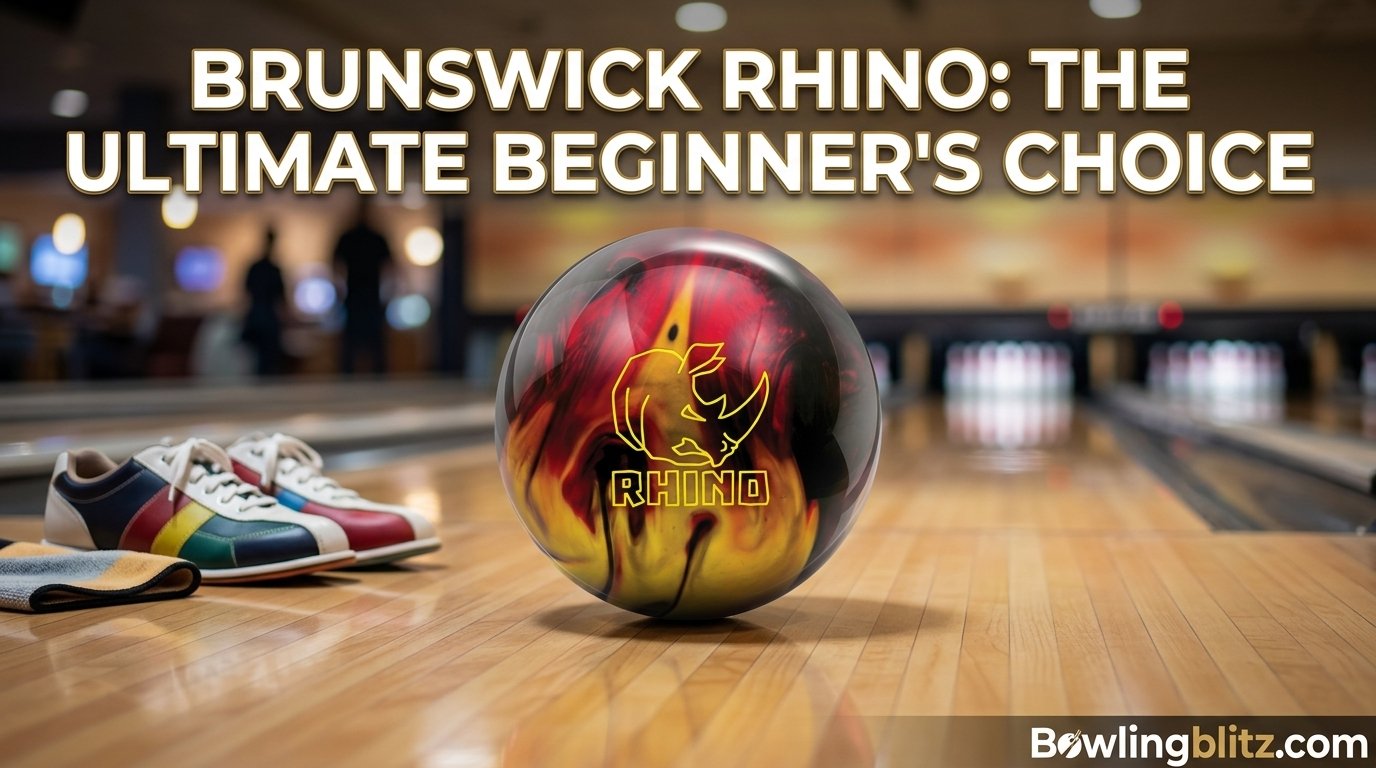
If you bowl a few times a year and want something simple, a polyester (plastic) ball like the Columbia 300 White Dot is a sensible, low-risk buy. If you plan to bowl weekly and want a ball that hooks a little and keeps improving with you, an entry-level reactive such as the Brunswick Rhino or Brunswick TZone is the better long-term pick. Everything else on this page is here to help you choose between those paths.
Our Top Picks for Beginner Bowlers at a Glance
Walk into any bowling alley and you will see the same scene play out. A new bowler picks up a house ball, squints at a wall of numbers, and grabs whichever one feels least heavy. It works, but it is not the best way to learn. House balls are drilled for the average hand, which means they fit almost nobody well, and the holes are often worn, loose, or oddly spaced. Owning even a modest ball of your own changes the experience from the first throw because the grip finally matches your hand.
The balls below were chosen because they suit the way most new bowlers actually play. Some are simple plastic balls that roll straight and forgive mistakes. Others are entry-level reactive balls that curve gently into the pocket and give you room to grow. A few are specialty picks, like a clear ball with a design you can see inside and a pair of dedicated spare balls. Every one of them is aimed at people who are still figuring out their release, their speed, and their favorite lane conditions.
| Ball | Category | Best for |
|---|---|---|
| Brunswick Rhino | Entry-level reactive | Bowlers ready to learn a hook |
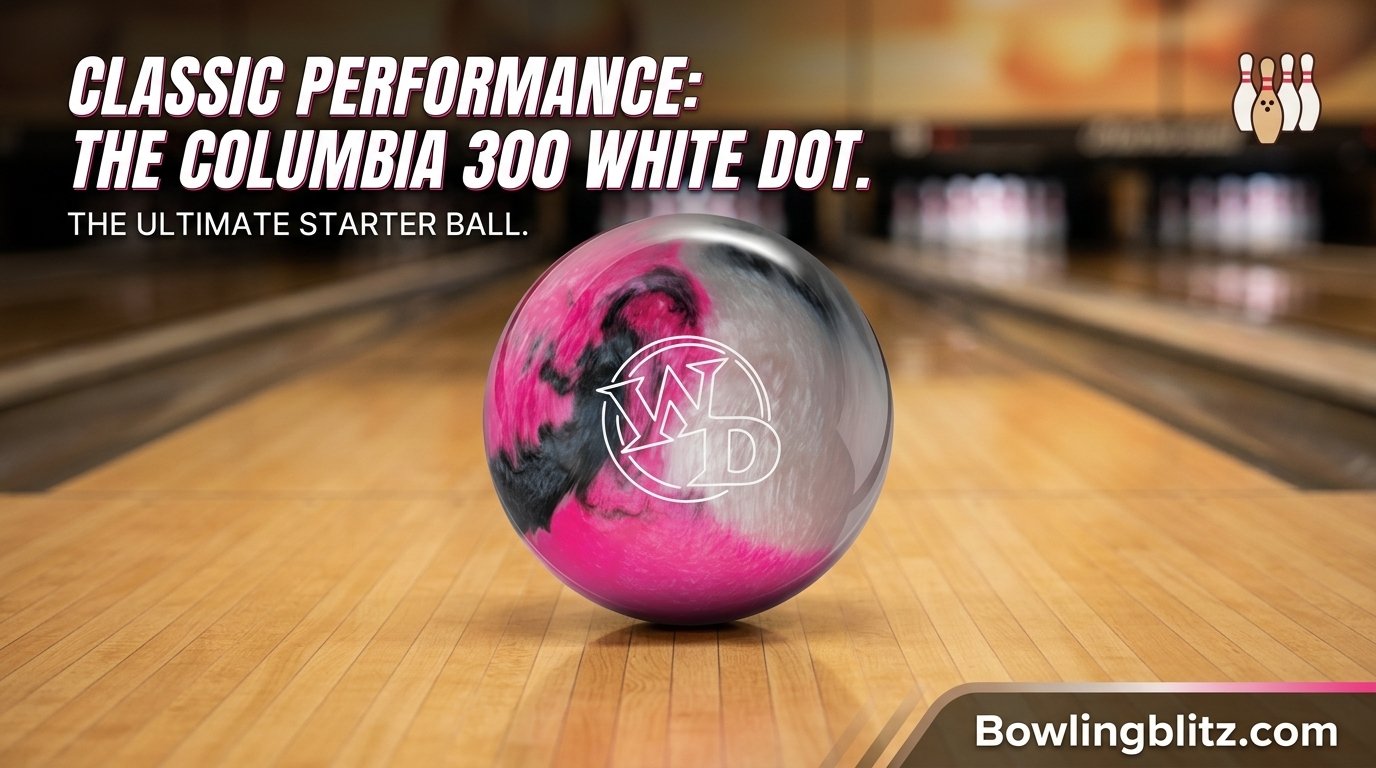
| Columbia 300 White Dot | Classic plastic | Casual and occasional bowlers |
| Brunswick TZone | Entry-level reactive | League newcomers who want a smooth hook |
| KR Strikeforce Polyester | Polyester plastic | Straight rollers and budget buyers |
| ELITE Star Polyester | Polyester plastic | Beginners who want a low-fuss ball |
| MOTIV Aspire | Entry-level step-up | Improving bowlers upgrading from plastic |
| Brunswick Viz-a-Ball | Clear plastic, fun design | Families, kids, and casual nights out |
| Hammer Raw Hybrid | Entry-level hybrid | Newer bowlers who want more hook |
| Hammer Axe | Spare ball | Picking up leftover pins |
| Storm Ice Storm | Spare ball | A second ball for spares |
A quick note on specs. Manufacturers update colors, weights, and coverstock details from time to time. Always confirm the exact weight and details on the product page before you order, especially if you plan to have the ball drilled.
Read the sections in order if you are brand new to bowling, because the first five explain the choices that matter most. If you already know what you want, jump straight to the reviews and use the table above as your map.
How we chose these ten balls
A good beginner list is not simply a list of popular balls. We looked for models that solve a real problem a new bowler has. Some of the picks are here because they are forgiving, so a shaky release does not punish you. Others are here because they are inexpensive enough that buying one is a low-risk experiment. A few are here because they let you grow, giving you a path from your first plastic ball to a more advanced setup without a huge jump in price.
We also paid attention to brand reputation. Brunswick, Columbia 300, Hammer, Storm, and MOTIV are names you will hear often at bowling centers, and that matters because a ball from an established brand is easier to get drilled, easier to resell, and easier to ask questions about. If you ever need advice, there is almost always someone at the pro shop who has handled the same model.
Finally, we balanced the list so that every type of beginner has an option. Casual bowlers, weekly bowlers, parents, gift buyers, and people who want a second ball for spares are all covered. If you see yourself in more than one group, that is normal, and the comparison section later in this guide will help you narrow things down.
Browse current beginner bowling ball prices and weights on Amazon.
View Beginner Bowling Balls on AmazonWhat Beginners Should Look for in a Bowling Ball
Shopping for a first bowling ball feels like it should be simple. It is a ball. You roll it. But once you start comparing listings, you run into terms like coverstock, core, surface finish, and track flare, and it is easy to assume you need a degree in physics. You do not. For a beginner, only a handful of factors really move the needle, and the rest can wait until you have a few months of games behind you.
Comfort comes before everything
A ball that fits your hand properly will outperform a fancier ball that does not. When the finger holes are the right size and the span between your thumb and fingers suits your hand, you can relax your grip and let the ball swing naturally. When they are wrong, you squeeze, you tense up, and your arm gets sore after a few games. Ball fit is covered in more depth later in this guide, but keep the principle in mind as you read about specific models.
Weight that you can control for a full night
It is tempting to go heavy because heavier balls carry more momentum and knock down more pins in theory. In practice, a ball that is too heavy ruins your timing and tires your arm by the third game. Pick a weight you can swing smoothly for several games without muscling it. Our dedicated section on weight walks through the rules of thumb, and the guide on what weight bowling ball you should use goes even deeper if you want a second opinion.
A coverstock that matches your goals
The coverstock is the outer shell of the ball, and it determines how the ball reacts to the lane. Plastic and polyester shells glide down the lane with very little hook. Reactive resin shells grip the lane surface and curve toward the pocket. Neither is better in every situation. The right choice depends on how often you bowl, how much you want to learn, and how much you are willing to spend. We break the three main types down in the next section.
A price that makes sense for your commitment
Beginner balls are not expensive, and that is on purpose. A good starter ball should cost far less than the equipment in most other sports, and the drilling fee at a pro shop is usually modest as well. If you are not sure whether bowling will stick, a polyester ball is a safe way to find out. If you are already bowling weekly with friends or have signed up for a league, an entry-level reactive is an investment that will keep paying off.
Durability and easy care
Beginner balls should shrug off the normal wear of travel in a bag, a few drops on the carpet, and the occasional forgotten wipe-down. Plastic balls are especially tough in this regard. Reactive balls are durable too, but they need a little more care because oil from the lanes builds up in the coverstock over time.
Your own playing style
Some beginners naturally throw the ball straight. Others, without trying, put a little side rotation on it and see it curve. If you are not sure which camp you are in, watch your ball for a few frames. A ball that travels straight down the lane and barely curves suggests a plastic ball will suit you well. A ball that already tends to drift to one side suggests you might enjoy the hook potential of a reactive.
Helpful reading: If you want a broader walkthrough of the buying process, the guide on how to choose a bowling ball pairs nicely with this one.
The features you can safely ignore for now
Marketing copy loves to talk about asymmetrical cores, differential ratios, and surface preparation. These details matter to advanced bowlers who are fine-tuning ball motion on specific oil patterns. As a beginner, you are better off spending your attention on three things: fit, weight, and coverstock type. Get those right and the ball will do its job while you work on your approach and release.
- Choose a weight you can swing comfortably for several games.
- Plan on having the ball drilled to fit your hand.
- Match the coverstock to how often you bowl and how much you want to grow.
- Keep your budget realistic, since you will likely upgrade after a season or two.
- Pick a ball you enjoy looking at, because motivation matters too.
Compare starter bowling balls by weight and price on Amazon.
Compare Starter Balls on AmazonPlastic, Urethane, and Reactive: Understanding Coverstocks
If there is one technical idea worth learning before you buy, it is the coverstock. Think of it as the tire tread of a bowling ball. A smooth tread glides, while a grippy tread bites. The material the shell is made from decides how much friction the ball creates against the lane, and that friction decides whether the ball goes straight or curves. For a more detailed explanation of the materials themselves, the article on what bowling balls are made of is a great companion read.
Plastic and polyester: the straight shooters
Plastic balls, usually made from polyester, have a hard, smooth surface that slides over oil without gripping much. They roll in a mostly straight line, which is why spare shooters love them and why they are the traditional beginner recommendation. If you aim carefully and throw straight, a plastic ball will go where you pointed it. The trade-off is that you will not see much hook, and pins may scatter a little less aggressively than with a reactive ball.
Polyester is also the most affordable option and extremely tough. It does not absorb oil in any meaningful way, so it stays consistent from game to game, and it needs almost no maintenance beyond a wipe with a towel. Several of the picks in this guide, including the Columbia 300 White Dot, the KR Strikeforce Polyester, and the ELITE Star Polyester, sit in this category.
Urethane: the middle ground
Urethane shells grip the lane more than polyester but less aggressively than reactive resin. They create a smoother, more controllable curve and have a loyal following among experienced bowlers who value predictability. Urethane is less common at the true beginner level, but you will see it in a few step-up options, and it is worth knowing about when you start reading reviews or chatting with a pro shop operator.
Reactive resin: the modern hook
Reactive resin shells are the standard in modern bowling. They contain tiny pores that absorb a small amount of oil, and that gives the ball far more traction on the lane. The result is the familiar hook, where the ball travels down the lane and then curves sharply into the pocket. Reactive balls tend to produce stronger pin action because of the angle at which they hit the pins, and they are the ball of choice for most league bowlers.
Entry-level reactive balls are designed to be friendly. They offer a manageable amount of hook, forgive imperfect releases, and cost much less than premium models. The Brunswick Rhino and Brunswick TZone fall into this camp, and options like the MOTIV Aspire and Hammer Raw Hybrid are aimed at bowlers who are ready to step up from plastic.
Which one should you pick?
A useful way to decide is to ask yourself how often you will bowl. If the answer is a handful of times a year, a polyester ball is simple, durable, and inexpensive. If the answer is every week, or if you are joining a league, an entry-level reactive gives you a ball that rewards improvement. Many dedicated bowlers eventually own both: a reactive for strikes and a plastic ball for spares.
| Coverstock | Typical motion | Care level | Great for |
|---|---|---|---|
| Plastic / polyester | Mostly straight, little hook | Very low | Casual bowlers, spares, tight budgets |
| Urethane | Smooth, controllable curve | Moderate | Bowlers who like predictability |
| Reactive resin | Noticeable hook into the pocket | Moderate | League bowlers and improving players |
Why beginners love plastic
- Lowest price of any option
- Easy to aim and easy to control
- Nearly maintenance free
- Doubles as an excellent spare ball
Where plastic falls short
- Very little hook
- Less pin carry on strikes
- Can feel limiting once your skills improve
- Less useful on heavier oil patterns
None of this is a rule written in stone. Plenty of bowlers started on plastic, stuck with it for years, and never felt the need to switch. Others walked into a pro shop on day one and left with a reactive. Both paths are perfectly valid, and the reviews coming up will help you decide which one fits you.
See reactive and plastic bowling balls side by side on Amazon.
Shop Reactive and Plastic Balls on AmazonFinding the Right Weight for Your First Ball
Weight is the decision that new bowlers get wrong most often, and it is usually because of a well-meaning but flawed instinct. Some people grab a heavy ball hoping for more pin action. Others pick a very light ball because it feels easy. Both choices can backfire. The ideal weight is the heaviest ball you can swing smoothly and repeatedly without changing your form.
A simple rule of thumb
A commonly shared guideline is to choose a ball that weighs roughly one tenth of your body weight, capped at the maximum legal ball weight. Under that guideline, a bowler who weighs 140 pounds would look at a ball around 14 pounds, and a bowler who weighs 200 pounds would simply choose the heaviest standard ball, which is 16 pounds. Treat the formula as a starting point rather than a final answer, because strength, age, and comfort all play a role.
The hold-and-swing test
If you can try a few house balls, use them to run a simple test. Hold the ball in your bowling hand with your arm hanging straight and relaxed. If you can let the ball swing back and forth like a pendulum without your shoulder tightening, the weight is probably in a good range. If you have to lift your shoulder or tilt your body to keep it moving, go down a pound or two.
What happens when the ball is too heavy
- Your timing slows down and you release the ball late.
- Your arm and wrist tire quickly, especially by the third game.
- You are more likely to drop the ball on your foot or sprain a wrist.
- Your accuracy suffers because you are fighting the ball.
What happens when the ball is too light
A ball that is too light is less dangerous but still costs you something. Light balls deflect more when they hit the pins, which can leave you with annoying splits and corner pins. They can also tempt you to muscle your throw, which creates inconsistent releases. For adults, going extremely light is rarely a good idea unless an injury or physical limitation makes it necessary.
Weight guidance for kids and seniors
Younger bowlers should start with a ball they can carry comfortably in both hands and swing without leaning. Many kids do well with a lighter ball and move up gradually. Older bowlers with reduced grip strength or joint discomfort often prefer a slightly lighter ball too, and there is no shame in it. A smooth, pain-free swing beats a heavy ball every time.
Go deeper: Our standalone guide, what weight bowling ball should I use, includes more detailed advice by body type and bowling style.
Weight and ball choice: how they connect
Once you know your ideal weight range, check that the model you like comes in that weight. Beginner balls are generally offered across a wide range, but not every color or version is available in every weight. If the weight you want is out of stock in one color, a different color of the same ball is usually identical in performance, so do not be afraid to be flexible on looks.
Also remember that the weight listed is the weight before drilling. Removing material for the finger and thumb holes can shift the ball’s weight slightly, and drilling specialists know how to keep the final result within the legal limits. If you are ever in doubt, ask the person doing the drilling to confirm the finished weight.
Three weight myths worth dropping
Myth one: a heavier ball always knocks down more pins. Heavier balls do carry more weight into the pins, but only if you can deliver them with good speed and control. A ball that is too heavy slows your arm swing and often results in weaker hits than a lighter ball thrown with confidence.
Myth two: a lighter ball is always safer. A ball that is too light can lead to a rushed, tense release and a lot of deflection on contact. Comfort and rhythm are what keep you safe, not simply a low number on the ball.
Myth three: you should match the weight your friend uses. Your friend may be taller, stronger, or more experienced. Choosing a ball because someone else uses it is a quick way to end up with an uncomfortable fit. Test a few weights yourself and trust how they feel in your own hand and arm.
Find beginner bowling balls in the weight that suits you.
Shop Bowling Balls by Weight on AmazonFit and Drilling: Why Your Own Holes Matter
Here is a truth that surprises many new bowlers: the most expensive ball in the shop will perform worse than a basic ball with a perfect fit. The reason is simple. Your hand is the engine of every throw. If the ball does not fit, you grip too hard, your release becomes inconsistent, and your game stalls no matter what the ball is made of.
What drilling actually does
A drilled ball has three holes: one for your thumb and two for your fingers. A pro shop technician measures your hand, including the span between your thumb and fingers, the size of each digit, and how your hand naturally rests on the ball. Then they drill the holes at the correct size, angle, and spacing. The result is a ball that feels like an extension of your hand rather than a lump you are trying to hold onto.
Signs that a ball does not fit
- Your thumb sticks in the hole when you release, which causes the ball to hang or drop onto the lane.
- You squeeze the ball hard to keep from dropping it.
- Your fingers feel stretched or cramped.
- Your hand is sore or blistered after a short session.
Fingertip and conventional grips
Most new bowlers use a conventional grip, where the fingers go in up to the second knuckle. Fingertip grips, which insert the fingers only to the first knuckle, create more leverage and hook potential, but they feel less secure and take practice. A drilling technician can help you decide, and for most beginners a conventional grip is the best place to start.
Where to get a ball drilled
Many bowling centers have a pro shop with a trained technician. Some independent shops specialize in drilling and will drill a ball you bought online. Do ask about their policy first, since a few shops prefer to drill balls purchased in-house, and prices can vary. If you are still working out where to purchase, the article on where to buy bowling balls compares your options in plain language.
Can you drill a ball yourself?
It is possible, but we do not recommend it for beginners. Drilling requires specialized tools and measurements, and a mistake cannot be undone. Spending a modest fee for professional drilling protects the ball and your hand, and most technicians will make small adjustments later if your grip needs tweaking.
Tip: Bring any questions about your game to the technician. Many are experienced bowlers who will happily explain what grip and span suit your style.
Why this matters for the balls in this guide
Every ball reviewed below is intended to be drilled to your hand. A few of them, like the Brunswick Viz-a-Ball, are sometimes sold with pre-drilled options or are aimed at casual use, but even then, a custom fit makes the experience much better. Keep that in mind as you compare prices, because a drilling fee is a small but real part of your total cost.
Questions worth asking your drilling technician
- Do you recommend a conventional or fingertip grip for someone at my level?
- Is my span comfortable, or would a slightly shorter or longer span help?
- Can you add finger inserts so the holes fit snugly without squeezing?
- What is the final weight of the ball after drilling?
- If my grip feels off after a few sessions, can you adjust it, and is there a fee?
A good technician will welcome these questions. They want you to enjoy the game, because happy bowlers come back. If a shop rushes through the fitting or does not take measurements, consider trying a different one. The fitting process should feel thorough, and you should leave knowing exactly how your ball was drilled and why.
Another tip: bring the shoes you plan to bowl in, and arrive with your hand relaxed rather than cold or swollen. Hands change a little with temperature and activity, and a measurement taken at a comfortable moment tends to produce a better fit. If you bowl in a league, ask the technician to take the measurement after you have warmed up for a game or two.
Pick your ball, then take it to a pro shop for a perfect fit.
Shop Bowling Accessories on AmazonBest Entry-Level Reactive Balls: Brunswick Rhino and TZone
These two Brunswick models are staples of the beginner reactive category. Brunswick is one of the oldest names in bowling, and its entry-level lineup is built around one goal: give new bowlers a ball that hooks enough to be exciting without being unmanageable. If you plan to bowl regularly, this is the group of balls we would look at first.

Brunswick Rhino
The Rhino has earned a reputation as one of the go-to balls for people stepping into regular bowling. It is a reactive ball, which means it is designed to curve toward the pocket, and it does so in a way that feels approachable rather than twitchy. For a beginner who is just discovering what a hook feels like, that is exactly the right personality.
On the lane, you can expect a smooth, readable motion. If your release is a little inconsistent, which is perfectly normal at this stage, the Rhino tends to forgive you better than aggressive performance balls do. It also looks bold on the ball return, which helps if you want a ball that feels like your own.
The Rhino is a great fit for bowlers who have outgrown house balls and want to get serious without spending serious money. If you sign up for a league, you will not feel out of place carrying it.
Pros
- Friendly, controllable hook for beginners
- Reactive shell that grows with your skills
- Trusted brand with wide availability
- Eye-catching look
Cons
- More to maintain than plastic
- Not ideal as a dedicated spare ball
- Requires drilling for best results
Check the current price and weights for the Brunswick Rhino.
Check Brunswick Rhino on Amazon
Brunswick TZone
The TZone is another Brunswick favorite that sits comfortably in the beginner reactive lane. If the Rhino is the bolder personality, the TZone is the steady, dependable friend. Bowlers often describe its motion as predictable, and predictability is exactly what you want while you are still learning to repeat your shot.
Because it is a reactive ball, it will pick up traction on the lane and curve into the pocket, but it does not try to impress you with a wild snap at the end. That calm behavior lets you focus on your footwork, your timing, and your target instead of chasing a ball that has a mind of its own.
We like the TZone for adults and teens who bowl a few times a month and want a ball that is more fun than plastic without being harder to manage. It is also a solid choice for a second ball once you have mastered the basics.
Pros
- Predictable and forgiving motion
- Good balance between control and hook
- Comes from a respected bowling brand
- Works well for everyday league nights
Cons
- Less dramatic than premium reactive balls
- Needs regular wiping to stay consistent
- Requires drilling to fit your hand
See today’s pricing and available weights for the Brunswick TZone.
Check Brunswick TZone on AmazonTips for your first reactive ball
Moving from a plastic ball to a reactive ball is a little like switching from an automatic car to a manual. The basics are the same, but you have to pay closer attention. Here are a few habits that make the transition smoother.
- Start by aiming at the same target you used with plastic, then adjust slowly as you see the hook.
- Watch where the ball begins to curve. That break point tells you whether to move left or right on the next shot.
- Do not try to force extra hook. Let the ball do the work, and focus on a smooth release.
- Wipe the ball after every game so oil does not build up and change how it behaves.
- Be patient. Your first few games with a reactive ball may feel awkward, and that is completely normal.
Many bowlers also discover that a reactive ball makes the lane itself more interesting. Lane oil patterns, which are the invisible layer of conditioner on the lane, start to matter because they decide when and where your ball begins to hook. You do not have to study them as a beginner, but noticing that the ball behaves differently from lane to lane is the first step toward understanding how the game really works.
How to choose between the two
The honest answer is that you cannot go wrong with either one. If you prefer a ball with a bit of personality and a motion you can feel, start with the Rhino. If you value calm, repeatable behavior above all else, the TZone is the safer choice. In either case, plan on getting the ball drilled for your hand, and keep a towel in your bag to wipe oil off after each game.
Best Classic Plastic Starter Balls: Columbia 300, KR Strikeforce, and ELITE Star
Do not let anyone tell you plastic balls are only for children or people who do not take bowling seriously. Plastic is the original beginner ball and it remains one of the smartest buys for casual bowlers. It is cheap, nearly indestructible, easy to aim, and it doubles as the spare ball you will probably want later. These three picks are all easy to recommend.

Columbia 300 White Dot
The White Dot is practically an icon. Columbia 300 has been making this ball for a long time, and for good reason: it is a simple, honest ball that does what a beginner needs. It travels straight, it is easy to predict, and it holds up season after season without fuss.
If you are the type of bowler who goes out a few times a year with friends and wants a ball that fits better than the house ball, this is a very sensible choice. It also makes a great first ball for kids and teenagers who are learning the basics, because you can see exactly what your release is doing without the ball curving unpredictably.
As bowlers improve, the White Dot is often retired to spare duty, where its straight path makes it ideal for picking up corner pins and the dreaded seven or ten.
Pros
- Simple and extremely durable
- Easy to aim and control
- Affordable
- Becomes a great spare ball later
Cons
- Little hook
- Less pin action than reactive balls
- Plain look compared to flashy options
Check the current price on the Columbia 300 White Dot.
Check Columbia 300 White Dot on Amazon
KR Strikeforce Polyester
KR Strikeforce is known for offering dependable equipment at friendly prices, and this polyester ball follows that tradition. It is a straightforward plastic ball designed for bowlers who want to get their own gear without a large investment. The shell is hard and smooth, so you will see a mostly straight roll that is easy to read.
Because there are no fancy features to manage, the Strikeforce lets you concentrate on fundamentals. Work on a smooth approach, a consistent target, and a repeatable release, and you will see your scores climb even without a hooking ball.
It is a good choice if you are buying a ball for a child, a gift, or a casual household bowling night. It is also a practical backup ball for league bowlers.
Pros
- Budget friendly
- Predictable straight roll
- Low maintenance
- Good for learning fundamentals
Cons
- Minimal hook
- Limited room to grow into
- Basic styling
Check the current price on the KR Strikeforce Polyester ball.
Check KR Strikeforce on Amazon
ELITE Star Polyester
The ELITE Star Polyester is another approachable plastic ball aimed at new bowlers. Like the other polyester options here, it rolls straight and steady, which makes it easy to understand and easy to control. If you want a ball that simply works and asks nothing of you, this is a strong candidate.
We like it as an entry point for people who are not sure how much they will bowl. The low price means you will not feel guilty if bowling turns out to be an occasional hobby, and if it becomes a bigger part of your life, the ball slides neatly into a spare role later.
Pair it with a good pair of rental or personal bowling shoes and you will be set for a relaxed evening of games.
Pros
- Easy to control and aim
- Tough and long lasting
- Affordable for casual bowlers
- Useful as a spare ball down the road
Cons
- Little to no hook
- Not intended for advanced play
- Less exciting than reactive balls
Check the current price on the ELITE Star Polyester ball.
Check ELITE Star on AmazonWhy plastic still earns a place in the bag
It would be easy to treat plastic as a stepping stone you leave behind as quickly as possible. In reality, plastic balls stay useful at every level of the game. Their straight, predictable path is exactly what you want when you are picking up a spare, and their durability means they can last for years with very little attention.
Plastic is also a wonderful teaching tool. Because the ball does not hook much, you can see exactly what your release is doing. If the ball drifts to the left or right, you know the cause is your hand position or your aim, not a surprising reaction from the ball. That clarity helps you build good habits, and those habits transfer directly to any hooking ball you buy later.
Finally, plastic is friendly to your wallet. If you are not sure bowling will become a regular habit, there is no sense in spending more than you need to. A plastic ball lets you find out whether you love the game before you invest in something more advanced.
Choosing among the three plastic options
All three share the same basic personality, so the choice often comes down to price, color, and availability in your weight. Look at the weights offered, compare the current price, and pick the one that suits your budget. If you are torn, the Columbia 300 White Dot has the longest track record and the biggest community of bowlers who swear by it.
Best Step-Up Options: MOTIV Aspire and Hammer Raw Hybrid
Some beginners learn fast. After a few weeks of bowling, they start to feel limited by a straight-rolling ball and want to explore what a hooking ball can do. That is the moment to look at step-up options. These two balls are aimed at bowlers who have a bit of experience and want more motion without jumping to expensive equipment.

MOTIV Aspire
MOTIV has built a strong following by offering modern ball designs at fair prices, and the Aspire is the brand’s way of welcoming newer bowlers. It is positioned as an approachable ball for people who want to move beyond basic equipment and start learning how a more performance-oriented ball behaves.
The appeal here is the sense of progression. Bowlers who have been using a plastic ball often find that the Aspire gives them a first taste of what motion on the lane can look like. It encourages you to pay attention to your lane position, your speed, and your release, which are exactly the habits that help you improve.
As with any ball, check the product page for the specific coverstock details, weight options, and colors before ordering.
Pros
- Good step up from plastic
- Modern look and feel
- Helps you learn lane play
- Priced for newer bowlers
Cons
- Less forgiving than plain plastic
- Needs more upkeep than polyester
- Best with a proper drilling
Check the current price and weights for the MOTIV Aspire.
Check MOTIV Aspire on Amazon
Hammer Raw Hybrid
Hammer is famous for strong, high-energy ball designs, and the Raw Hybrid brings some of that attitude to an entry-level price. It is a good fit for bowlers who like a ball with a little more attitude and who are comfortable with a more noticeable hook.
We would point this ball at a beginner who is athletic, picks things up quickly, and wants room to grow. It is the kind of ball you can keep for a long time, because it will keep teaching you things about lane play as your game develops.
If you are brand new and still working on a repeatable release, you might want to start with the Rhino or TZone first, then move to the Raw Hybrid when you are ready.
Pros
- Noticeable motion that is fun to watch
- Backed by a well-known performance brand
- Good value for the category
- Room to grow with your game
Cons
- Can feel lively for total beginners
- Requires drilling and some upkeep
- Not a spare ball
Check the current price and weights for the Hammer Raw Hybrid.
Check Hammer Raw Hybrid on AmazonIs stepping up too soon a mistake?
Not really. Buying a hooking ball early will not harm your game, as long as you accept that your first few outings may feel a little unpredictable. Give yourself time to learn how the ball reacts, and consider asking a more experienced bowler or a pro shop employee to watch a few of your throws. A bit of coaching goes a long way when you are working with a ball that hooks.
A Fun Pick for Families and Casual Nights: Brunswick Viz-a-Ball
Not every bowling ball needs to be about performance. Sometimes the best ball is the one that makes everyone at the lane smile. If you are buying for kids, planning a family outing, or simply want something with a bit of visual charm, the Viz-a-Ball deserves a look.

Brunswick Viz-a-Ball
The Viz-a-Ball is built around a simple idea: let the bowler see something interesting inside the ball as it rolls. The clear shell and the design inside make it a conversation starter at the lanes, and it turns a normal game into something a little more playful.
Underneath the looks, it behaves like a traditional plastic ball. That means a mostly straight roll that is easy to aim, which is great news for younger bowlers and anyone who simply wants to enjoy the game without worrying about hook. It is easy to spot on the ball return, too, so there is never any confusion about whose ball is whose.
If you are a competitive bowler, this is not your main ball. But as a gift, a family ball, or a fun addition to a bowling bag, it brings a lot of personality for the price.
Pros
- Unique look that kids and adults enjoy
- Straightforward plastic roll
- Durable and easy to clean
- Great gift idea
Cons
- Not designed for serious competition
- Limited hook
- Novelty appeal may fade for serious players
Check the current price and weights for the Viz-a-Ball.
Check Viz-a-Ball on AmazonA thoughtful gift for a bowler
A bowling ball makes a surprisingly good gift, but it comes with one catch: the recipient needs to get it drilled. If you are buying for someone else, consider pairing the ball with a gift certificate for drilling at a local pro shop, or let them know they will need to take it in. If you want to be extra thoughtful, include a bowling bag or a towel so the gift feels complete.
Bowling with kids: a few practical tips
- Choose a weight the child can lift and swing without leaning forward too far.
- Make sure the finger holes are not too big, because a loose fit leads to dropped balls.
- Use bumpers if the lane offers them, and let the child focus on rolling the ball smoothly.
- Keep sessions short and celebrate small wins. Fun matters more than score.
Buying a ball for a child can also build confidence. A child who has a ball that is all theirs will often feel more invested in the game, and that sense of ownership can turn a casual activity into a lasting hobby.
Spare Balls Worth Owning: Hammer Axe and Storm Ice Storm
Once you start taking bowling a little more seriously, you will hear about spare balls. A spare ball is a second ball, usually plastic, that you use to pick up the pins left standing after your first throw. Because plastic goes straight, it makes it far easier to aim at a single pin. Using a hooking ball for a spare often means the ball curves away from your target, which is why even experienced bowlers keep a dedicated spare ball in their bag.
You do not need a spare ball on day one, but as soon as you start bowling regularly, it becomes one of the most effective ways to raise your average. If you want to explore the category in more detail, our roundup of the best spare bowling balls goes deeper. The two picks below are good places to start.

Hammer Axe (spare ball)
The Hammer Axe is offered as a spare ball, which means it is built for exactly what the name suggests: knocking down the pins that remain after your first shot. Spare balls are meant to roll in a straight line, so you can point at a pin and trust the ball to follow your aim.
For a beginner who has already purchased a reactive ball, the Axe is a smart second purchase. Keep your hooking ball for strikes and use the Axe whenever you need to pick up a leave. Many bowlers find that this simple change adds noticeable pins to their score without any change to their technique.
It is also a good option if you want a spare ball that looks a little more modern than the traditional plain plastic designs.
Pros
- Designed for accurate spare shooting
- Makes a great companion to a reactive ball
- Easy to maintain
- Stylish look
Cons
- Not a hooking ball
- An extra expense if you bowl rarely
- Needs its own drilling
Check the current price and weights for the Hammer Axe.
Check Hammer Axe on Amazon
Storm Ice Storm
Storm is a major name in bowling, and the Ice Storm is a straightforward way to add a second ball from a trusted brand to your bag. It is a good fit for bowlers who want a dependable ball for spare shooting without paying premium prices.
Like any spare ball, its value comes from simplicity. When you have just one or two pins left standing, you want a ball that goes where you aim it. Having a separate ball for that job lets you leave your reactive ball alone and keep its surface clean for strikes.
Check the listing for current weight options and details before you buy, since availability and finishes can change.
Pros
- Respected brand name
- Useful for picking up single pins
- Keeps your main ball cleaner
- Good value for a second ball
Cons
- Not meant to be your only ball
- Limited usefulness on first shots
- Needs separate drilling
Check the current price and weights for the Storm Ice Storm.
Check Storm Ice Storm on AmazonHow to use a spare ball well
Switching balls is easy, but there is a rhythm to it. Keep both balls within reach near the ball return, and try to use the same weight if you can, so your swing feels familiar. Many bowlers drill their spare ball to the same span as their main ball, which keeps the grip consistent. Pay attention to how the ball tracks to the pin on your first few spare attempts, and adjust your aim until you can predict its path.
If you already own one of the plastic balls from the earlier section, such as the Columbia 300 White Dot, you may not need to buy another. Any plain plastic ball can serve as a spare ball, which is another reason a plastic ball is a smart first purchase.
Which Ball Fits Which Bowler: A Side-by-Side Comparison
By now you have seen the details on each ball, so let us pull everything together. The table below places every pick next to the others so you can compare how they behave, what they cost in terms of upkeep, and which bowler they suit best. Remember that we are describing general tendencies. Your own release and speed will always influence how a ball behaves.
| Ball | Expected motion | Upkeep | Ideal bowler |
|---|---|---|---|
| Brunswick Rhino | Controlled hook | Moderate | New league bowler |
| Brunswick TZone | Smooth, predictable curve | Moderate | Steady, repeatable shooter |
| Columbia 300 White Dot | Straight | Very low | Casual bowler or kid |
| KR Strikeforce Polyester | Straight | Very low | Budget-minded beginner |
| ELITE Star Polyester | Straight | Very low | Occasional bowler |
| MOTIV Aspire | More motion than plastic | Moderate | Bowler stepping up |
| Hammer Raw Hybrid | Noticeable hook | Moderate | Athletic, quick learner |
| Brunswick Viz-a-Ball | Straight | Very low | Family and kids |
| Hammer Axe | Straight (spare ball) | Low | League bowler adding a spare ball |
| Storm Ice Storm | Straight (spare ball) | Low | Bowler wanting a second ball |
If you bowl a few times a year
Go with plastic. The Columbia 300 White Dot, KR Strikeforce Polyester, and ELITE Star Polyester all do the job, and any of them will feel better than a house ball once drilled. Pick based on price and availability in your weight.
If you bowl monthly with friends
You are in the sweet spot where either direction works. A plastic ball is the simplest route, but if you notice yourself wishing the ball would curve a little, the Rhino or TZone is a satisfying upgrade.
If you are joining a league
Start with an entry-level reactive. The Brunswick Rhino and Brunswick TZone are our top suggestions, and the Hammer Raw Hybrid or MOTIV Aspire are good choices if you want a bolder step. Add a plastic spare ball a little later.
If you are buying for a child
A light plastic ball is the right call. The Viz-a-Ball adds visual fun, and the more traditional plastic options give you a basic, durable ball that will last through years of growth spurts and lane visits.
If you want to improve as fast as possible
Own two balls: one reactive for strikes and one plastic for spares. That combination is the single most common setup among serious recreational bowlers, and it keeps each ball doing the job it is best at.
Choose plastic if you
- Bowl occasionally
- Want the lowest cost
- Prefer simple, predictable results
- Need a spare ball
Choose reactive if you
- Bowl weekly or in a league
- Want to learn how to hook the ball
- Are willing to wipe the ball down
- Plan to keep improving
Ready to choose? See every beginner bowling ball option on Amazon.
Shop All Bowling Balls on AmazonBudget, Buying Tips, Shoes, and Ball Care
Buying the ball is only part of the picture. A few practical details around price, where to shop, and how to take care of your gear will make the whole experience smoother and keep your new ball performing for years.
What to expect to spend
Beginner bowling balls cover a wide range. Plastic balls sit at the low end, entry-level reactives cost more, and performance balls cost the most. On top of the ball itself, plan for a drilling fee, a bag to carry it, and possibly shoes. If you want a clear breakdown, how much a bowling ball costs lays out the typical price ranges and what drives them. Check the current price on each listing, since Amazon pricing changes often.
Where to buy
You can buy a ball online, at a bowling center pro shop, or at a sporting goods store. Online shopping offers the widest selection and easy price comparison. A pro shop offers expert advice and drilling in one visit. Many bowlers combine the two: they browse online, then take the ball to a local technician. The article on where to buy bowling balls weighs the pros and cons in detail.
Do not forget shoes
Bowling shoes are designed so that one sole slides and the other grips, which gives you a controlled finish at the foul line. Rental shoes work fine when you are starting out, but owning a pair is more comfortable and more hygienic. Our guide to the best bowling shoes covers good options at every budget.
Essential accessories
- A bowling bag to protect the ball and carry your shoes.
- A microfiber towel to wipe oil off the ball between shots.
- A wrist support if you want extra stability while your technique develops.
- Finger inserts or tape if the holes feel slightly loose.
Basic ball care
Wipe your ball with a clean towel after every game, especially a reactive one. Oil that sits on the shell can seep in and change how the ball behaves. Store it at room temperature, since extreme heat or cold can affect the material, and never leave it in a hot car. Plastic balls need less attention, but a quick wipe is still a good habit. Every so often, have a pro shop clean and inspect your ball to keep it in top shape.
Building your setup over time
You do not need to buy everything at once. A smart path for most beginners looks like this: start with a single ball that fits your commitment level, get it drilled, and use it for a month or two. Pay attention to what frustrates you. If you wish the ball would curve more, consider a reactive. If you keep leaving single pins, add a spare ball. If your hand gets sore, revisit the fit.
This approach keeps your spending in line with your real needs. It also gives you better information when you are ready to upgrade, because you will know exactly what you want from your next ball. Plenty of experienced bowlers have a bag with two or three balls, and every one of them was added for a specific reason.
Common beginner mistakes to avoid
- Buying a ball that is too heavy.
- Skipping the drilling and trying to use an ill-fitting ball.
- Assuming a more expensive ball will automatically raise your score.
- Forgetting to wipe a reactive ball after a session.
- Using a hooking ball for spares when a plastic ball would do the job better.
Take your time, ask questions, and treat your first ball as the beginning of a long relationship with the game. Almost every experienced bowler remembers their first ball fondly, and yours will probably earn the same place in your memory.
Grab a bag, towel, and other bowling essentials to go with your new ball.
Shop Bowling Essentials on AmazonFrequently Asked Questions About Beginner Bowling Balls
What is the best bowling ball for a complete beginner?
For most casual beginners, a polyester plastic ball such as the Columbia 300 White Dot is the simplest and safest choice. It rolls straight, it is easy to control, and it costs very little. If you already know you will bowl every week or join a league, an entry-level reactive like the Brunswick Rhino or Brunswick TZone gives you a ball you can grow with.
Should a beginner buy a plastic or a reactive bowling ball?
It depends on how often you plan to bowl. Plastic is ideal for occasional bowlers who want a low-cost, low-maintenance ball. Reactive is better for people who bowl regularly and want to learn how to hook the ball. Many bowlers eventually own both, using the reactive for strikes and the plastic for spares.
How heavy should my first bowling ball be?
A popular rule of thumb is about one tenth of your body weight, up to the 16-pound maximum. The best test is to pick a ball you can swing smoothly for several games without straining. If you are unsure, go a pound or two lighter rather than heavier. Our guide on choosing the right bowling ball weight has more detail.
Do I really need to get my bowling ball drilled?
Yes, for the best experience. A drilled ball fits your hand, so you do not have to squeeze to hold it. That leads to a smoother release, more consistent shots, and less strain on your hand. Most pro shop technicians can drill a ball quickly and for a modest fee.
Can I use a house ball instead of buying my own?
You can, and plenty of people do. House balls are fine for a casual game. However, they are not drilled to fit you, they vary in condition, and the weight you want may not always be available. Owning a ball makes your results more consistent and your game more enjoyable.
How much does a beginner bowling ball cost?
Plastic balls are the most affordable, entry-level reactive balls cost more, and premium performance balls cost the most. Do not forget to add a drilling fee and possibly a bag. For a full breakdown, see our article on how much a bowling ball costs. Always check current prices on the product page, since they change often.
Is a spare ball necessary for beginners?
It is not necessary at first, but it becomes useful quickly. A plastic spare ball goes straight, so it is easier to aim at single pins. If you buy a plastic ball as your first ball, it can double as your spare ball later. Options like the Hammer Axe and Storm Ice Storm are good dedicated choices.
Can kids use the same bowling balls as adults?
Kids should use a lighter ball with finger holes that fit their smaller hands. A plastic ball is usually the best option for younger bowlers because it is easy to control. The Viz-a-Ball is a fun choice for families, as long as you choose a weight the child can swing comfortably.
How do I take care of a reactive bowling ball?
Wipe the ball with a clean towel after each game to remove lane oil. Store it at room temperature and avoid leaving it in a hot car or freezing garage. Have a pro shop clean it now and then to keep the surface performing consistently. Plastic balls need only a quick wipe.
Will a better ball improve my score right away?
A ball that fits well and suits your style will help, but technique matters most. A good approach, a smooth release, and consistent aim have a bigger effect than the ball itself. Think of your ball as a tool that makes good habits easier to build, not a shortcut around them.
What should I buy besides the ball?
A bag to carry the ball, a towel to wipe it down, and a pair of bowling shoes are the most useful extras. Shoes are worth owning because they give you a consistent slide at the foul line. Take a look at our guide to the best bowling shoes if you want recommendations.
Where is the best place to buy a bowling ball?
Online stores offer the biggest selection and easy price comparison, while pro shops offer expert fitting and drilling. Many bowlers buy online and then visit a local technician for drilling. Read where to buy bowling balls to compare your options.
Ready to pick your first ball? Browse current options on Amazon.
Browse Beginner Bowling Balls on AmazonFinal Thoughts: Choosing Your First Bowling Ball
Picking a first bowling ball does not need to be stressful. The key decisions come down to three things: a weight you can swing comfortably, a coverstock that matches how often you bowl, and a proper fit from a pro shop. Everything else is secondary.
If you bowl occasionally, the Columbia 300 White Dot, KR Strikeforce Polyester, and ELITE Star Polyester give you simple, dependable plastic options. If you bowl on a weekly basis or plan to join a league, the Brunswick Rhino and Brunswick TZone are the entry-level reactive picks we would start with, with the MOTIV Aspire and Hammer Raw Hybrid waiting as step-up options. For families and fun, the Viz-a-Ball is hard to beat, and the Hammer Axe and Storm Ice Storm are good spare balls when you are ready to add a second ball to your bag.
Whichever you choose, get it drilled to fit, wipe it down after each game, and spend your energy on a smooth approach and a repeatable release. The ball is only the beginning. The real fun is watching your scores climb as the game starts to click.
Pick your starter ball today and get ready for your next game night.
Find Your First Bowling Ball on AmazonYou May Also Like
Keep reading if you want to learn more about the gear and the game itself.