What Weight Bowling Ball Should I Use?
A clear, practical guide to picking the ball weight that fits your body, your strength, your style and your goals, so you throw with confidence instead of fighting your equipment.
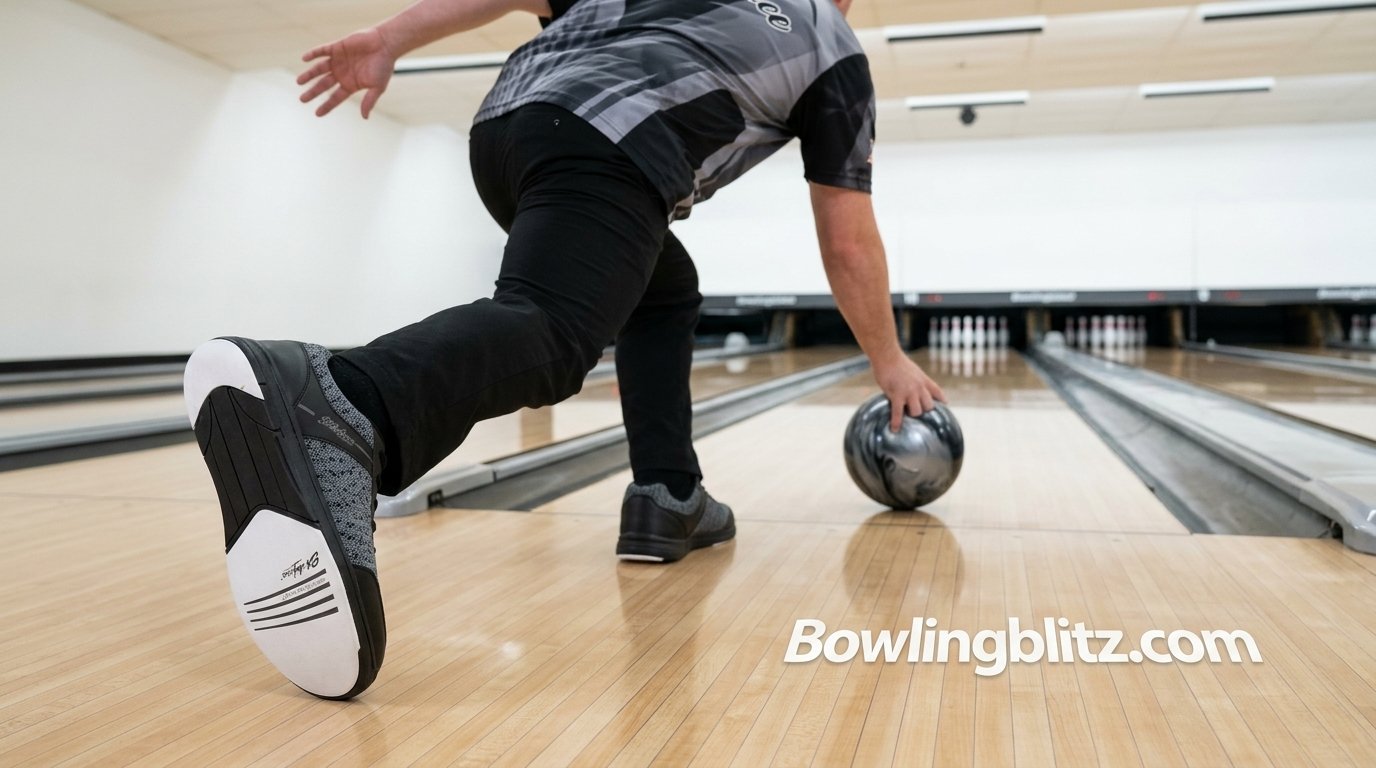
Walk into any bowling alley and you will see a wall of house balls, numbered from the lightest to the heaviest. Most first-timers grab one that looks right, slip their fingers in, and hope for the best. Sometimes that works. Often it ends with a sore wrist, a ball that dribbles toward the gutter, or a week of aching shoulders.
Choosing the right ball weight is one of those small decisions that quietly shapes everything about your game. It affects how smoothly you swing, how much energy your ball carries into the pins, how tired you feel in the third game, and even how likely you are to pick up an injury. The good news is that finding your number is far easier than most people think.
In this guide we will walk through a simple rule of thumb, show you weight charts for adults and kids, explain what actually changes between a lighter and heavier ball, and give you a few easy tests you can run at the lanes today. By the end, you will know exactly where to start and how to adjust from there.
The Short Answer on Ball Weight
Most adults bowl well with a ball between 12 and 15 pounds, and a handy starting point is about 10 percent of your body weight, capped at 16 pounds, which is the heaviest ball allowed in sanctioned play. Kids usually start between 6 and 10 pounds. If you have to choose between slightly too light and slightly too heavy, go lighter.
That single paragraph answers the question for the majority of readers. If you are standing at the counter right now and just need a number, pick a ball in that range, test two or three weights, and choose the heaviest one you can swing smoothly with a relaxed arm.
The key phrase there is swing smoothly. Ball weight is not a contest. A bowler throwing a comfortable 13-pound ball with good timing will almost always out-score someone wrestling a 15-pound ball they cannot control. Your goal is the heaviest weight that still lets you stay in rhythm, keep your wrist relaxed, and repeat the same shot over and over.
A Fast Reference Table
| Bowler Type | Typical Starting Weight | Notes |
|---|---|---|
| Young children | 6 to 8 lb | Lightest balls available; focus on fun and form |
| Pre-teens | 8 to 11 lb | Increase gradually with growth |
| Teens | 10 to 15 lb | Depends heavily on size and strength |
| Casual adults | 10 to 14 lb | Comfort first, power second |
| League and serious adults | 14 to 16 lb | Heavier balls help with pin carry |
Treat this table as a starting line rather than a verdict. The rest of this guide explains how to fine-tune that number for your body and your style. If you are also deciding which model to buy, our walkthrough on how to choose a bowling ball pairs nicely with this article.
Browse bowling balls in every weight from light to 16 pounds.
Why Ball Weight Matters More Than You Think
It is tempting to treat ball weight as a minor detail, something you sort out after you have picked a color you like. In reality, weight is the foundation that every other part of your game sits on. Change it, and your timing, your swing, your release and your results all shift with it.
Weight Controls Your Swing
A bowling swing is essentially a pendulum. Your arm swings back, pauses for a split second at the top, then swings forward and releases the ball over the foul line. A pendulum works best when the weight at the end matches the length and strength of the arm holding it. Too light, and the ball feels floaty and you may start muscling it, adding unnecessary force. Too heavy, and the ball drags your shoulder down on the backswing, ruining your timing and forcing you to lift the ball instead of letting it swing.
Weight Creates Energy at the Pins
Physics is on the side of heavier balls. When two balls travel at the same speed, the heavier one carries more momentum. That extra momentum lets it push through the pins and keep them moving into each other, which is what creates strikes. It is also why a heavier ball tends to deflect less when it hits the headpin. A light ball can bounce off a pocket hit and leave a tricky split, while a heavier ball often stays on its path and drives through.
If you are curious about the pins themselves and why they react the way they do, take a look at these fun bowling pin facts.
Weight Affects Fatigue and Injury Risk
Think about a typical league night. You might throw 30 to 40 shots in three games, plus warm-up balls. A ball that is a pound too heavy may feel manageable on shot one and brutal by shot thirty. Fatigue changes your mechanics, and sloppy mechanics are how people end up with wrist, elbow, shoulder and lower-back soreness. Matching the weight to your body is as much about longevity as it is about scoring.
Remember: a ball that feels fine for three shots can feel very different after three games. Always judge a weight by how it feels late in a session, not just at the start.
Weight Shapes Confidence
There is a mental side too. When the ball feels natural in your hand, you stop thinking about it and start thinking about your target. When it feels awkward, you spend the whole approach worrying about gripping it, lifting it and getting it down the lane. The right weight lets your brain relax, and relaxed bowlers are consistent bowlers.
Compare popular weights and models in one place.
The 10% Rule Explained
The most widely used guideline for choosing a bowling ball weight is simple: take your body weight and move the decimal one place to the left. A person who weighs 150 pounds would start around a 15-pound ball. Someone who weighs 120 pounds would start around 12. Anyone over 160 pounds tops out at 16, since that is the maximum weight a ball can be.
Where the Rule Works Well
The 10 percent rule is a useful anchor because it scales with body size. Larger bodies generally have longer arms and more muscle mass, which means they can control a heavier pendulum without strain. It gives you a quick, no-math-required starting point and it keeps beginners from the common mistake of choosing a ball that is far too heavy simply because heavier feels more serious.
Where the Rule Falls Short
Body weight does not tell the whole story. Two people who weigh the same can have wildly different grip strength, wrist stability, flexibility and bowling experience. Someone who lifts weights regularly may handle a heavier ball easily, while someone recovering from a shoulder or elbow issue may need to drop a couple of pounds. The rule also overshoots for very heavy individuals and undershoots for very small or very young bowlers.
That is why we like to call 10 percent the ceiling for a first try, not the final answer. Start there, then move down a pound or two if the ball feels like work.
Adult Weight Chart Based on the 10% Rule
| Body Weight | 10% Rule Starting Point | Comfortable Range for Most |
|---|---|---|
| Under 100 lb | 10 lb | 8 to 10 lb |
| 100 to 120 lb | 10 to 12 lb | 10 to 12 lb |
| 120 to 140 lb | 12 to 14 lb | 11 to 13 lb |
| 140 to 160 lb | 14 to 16 lb | 13 to 15 lb |
| 160 lb and up | 16 lb | 14 to 16 lb |
Notice that the comfortable range for many people sits a pound or so under the raw rule. That is normal. A casual bowler who plays once or twice a month usually does better a little lighter, while a regular league bowler who has built up strength and timing can lean toward the top of the range.
New to the sport? Our list of the best bowling balls for beginners includes models in a wide range of weights so you can match what you learn here.
Shop beginner-friendly balls in lighter and mid-range weights.
Ball Weight for Kids and Teens
Children are not small adults, and the 10 percent rule gets awkward fast when a child weighs 45 pounds and the lightest ball on the rack is six. For young bowlers, the priority is controlling the ball with a natural swing while keeping the experience fun.
How to Pick a Weight for a Child
The best method for kids is a practical one. Have the child hold the ball at their side with a relaxed arm, then pick it up and swing it back and forth a few times. If they can do that without leaning, twisting or straining, the ball is probably fine. If their shoulder dips, their back arches or they use both hands to heave it, move down a weight. Many alleys also offer lightweight balls with small finger holes designed for little hands, and using them makes a big difference in grip comfort.
Kids and Teens Weight Guide
| Age Group | Typical Weight Range | What to Watch For |
|---|---|---|
| Ages 3 to 5 | 6 lb (lightest available) | Ramps or bumpers help; keep sessions short |
| Ages 6 to 8 | 6 to 8 lb | Check that the fingers reach the holes comfortably |
| Ages 9 to 11 | 8 to 10 lb | Move up only when the swing looks relaxed |
| Ages 12 to 14 | 10 to 13 lb | Growth spurts change everything; recheck often |
| Ages 15 to 18 | 12 to 15 lb | Many teens can use adult weights by now |
Do Not Rush the Upgrade
Parents sometimes assume that bigger numbers mean bigger progress. In truth, a child who learns a smooth swing with a lighter ball builds habits that last for years. A child forced onto a heavy ball often develops a side-armed swing or a sore wrist, and both are hard habits to unlearn. Increase the weight one pound at a time, and only when the swing still looks easy.
Do Kids Need Their Own Ball?
House balls are fine for casual family outings. If a young bowler joins a junior league or plays weekly, a personal ball drilled to fit their hand is worth considering, since it removes the guesswork of finger spacing. Keep in mind that kids grow, so you may need to replace or re-drill it after a year or two. Our guide to how much a bowling ball costs will help you plan the budget.
Explore lightweight balls and kid-friendly bowling gear.
Strength, Body Type and Comfort: What Really Sets Your Number
If body weight is the rough map, strength and comfort are the street signs. Two bowlers of identical size can land on different ball weights, and neither of them is wrong. Here are the factors that matter most.
Grip and Forearm Strength
A bowling ball is held mostly by two fingers and a thumb, and a heavier ball asks those digits to work harder through the swing. If your grip tires quickly, you may squeeze the ball, tense your forearm and release it late or early. Bowlers with strong hands can handle more weight before form breaks down. A quick test: after swinging the ball several times at the lanes, does your hand feel fine or cramped? Cramping is a clear sign to drop a pound.
Shoulder, Elbow and Wrist Health
Anyone with a history of joint discomfort should be conservative with ball weight. A lighter ball reduces strain on the shoulder during the backswing and on the elbow and wrist at the release. If you have a medical condition or an old injury, talk with a doctor or physical therapist before pushing into heavier weights. A smooth swing with a slightly lighter ball is always better than a painful swing with a heavier one.
Height and Arm Length
Taller bowlers with longer arms create a longer pendulum, which naturally generates more momentum from the same weight. In practice, that can make a given ball feel livelier and slightly more demanding on the way down. Shorter bowlers sometimes find that a ball one pound lighter feels more balanced even when the chart says otherwise.
Age and Fitness
Older bowlers often move to lighter balls as strength and flexibility change, and there is no shame in that. Plenty of senior league bowlers throw 12 to 14 pounds and score extremely well because their timing is excellent. Fitness helps at any age. Core and leg strength, in particular, improve balance in the slide, which makes the whole approach more repeatable.
Pro tip: think of ball weight as a dial, not a switch. You can turn it up as your strength and technique improve, and you can turn it down when you are tired, returning from time off, or dealing with soreness.
Comfort Checklist
- The ball feels like a natural extension of your arm at address.
- Your shoulders stay level during the backswing.
- Your fingers and thumb are relaxed, not clamped.
- You can finish your follow-through with the hand up and the body balanced.
- You feel just as good in game three as you did in game one.
If you can honestly tick all five, you have likely found a good weight. If not, adjust in single-pound steps until you do.
Wrist supports and accessories can make longer sessions more comfortable.
Choosing Weight by Skill Level and Bowling Style
Your experience and the way you throw the ball both influence the weight that serves you best. Let us break it down by bowler type so you can find the profile that sounds most like you.
The Casual or Social Bowler
If you bowl a few times a year with friends or at parties, comfort wins. A ball in the 10 to 13 pound range is usually plenty, and house balls are perfectly fine. You are there for fun, so there is no reason to chase heavier weights unless you want to.
The Beginner Who Wants to Improve
Beginners benefit most from a weight they can swing without thinking. Start a pound or two below the 10 percent rule, learn the basic four-step or five-step approach, and let your accuracy build before you add weight. Many new bowlers improve quickly just by dropping from a ball that is too heavy to one they can actually control. A drilled ball that fits your hand also helps tremendously, since a loose or tight grip is a bigger obstacle than weight.
The League Bowler
Regular league bowlers tend to settle in the 14 to 16 pound range, provided their bodies cooperate. The added momentum improves carry, and consistent practice builds the stamina to handle it. That said, plenty of successful league bowlers throw 13 or 14 pounds because it matches their physique and their style. The goal is the heaviest ball you can throw with identical timing every time.
The Straight Bowler
A straight bowler throws the ball with little or no hook, usually with the hand behind the ball. This style depends heavily on accuracy and a smooth, relaxed swing. Many straight bowlers prefer a slightly lighter ball since the release does not rely on rotation. Weight in the middle of the range, perhaps 12 to 14 pounds for adults, often feels right.
The Hook Bowler
Hook bowlers put rotation on the ball with a turning motion of the hand at release. A ball that is too heavy makes it harder to rotate, which can reduce revolutions and cause timing errors. A ball that is a little lighter can be easier to turn, though very light balls can deflect more. Most hook bowlers find a happy medium, typically somewhere between 13 and 15 pounds for adults, then adjust based on how well they can keep their wrist position consistent.
The Two-Handed Bowler
Two-handed styles, popular with many modern players, use a ball with no thumb hole and rely on a high-revolution release. Because the non-bowling hand supports the ball during the swing, some people can handle a heavier ball more comfortably. Even so, it is wise to stay within a weight that preserves speed and rev rate. If you are exploring this style, work with a coach or pro shop first.
Comparison: Style vs. Typical Adult Weight
| Style | Typical Adult Range | Main Priority |
|---|---|---|
| Casual | 10 to 13 lb | Comfort and fun |
| Beginner | 10 to 14 lb | Control and accuracy |
| Straight | 12 to 14 lb | Smooth, repeatable swing |
| Hook | 13 to 15 lb | Rotation and timing |
| Two-handed | 13 to 15 lb | Rev rate and speed |
| League or competitive | 14 to 16 lb | Carry and consistency |
Shoes matter here as well, since a good slide is part of every approach. If you are building your kit, check out our picks for the best bowling shoes.
Explore hook, straight and all-purpose bowling balls.
Total Weight vs. Pin Weight and Top Weight
Here is a detail that confuses lots of bowlers: the number stamped on a ball is its total weight, but the weight is not distributed perfectly evenly inside the ball. Understanding this helps you read ball specs and shop with confidence.
What Is Total Weight?
Total weight is simply how much the ball weighs on a scale, measured in pounds. A 15-pound ball is a 15-pound ball. It is the number you choose at the counter, and it is the number you will see on retail listings.
What Is a Weight Block?
Inside most performance balls sits a dense core, sometimes called the weight block. Its shape and position affect how the ball behaves on the lane, including how easily it starts to hook and how it changes direction. Manufacturers design cores to produce specific ball motions, which is why two balls of the same total weight can behave very differently.
What Are Pin Weight and Top Weight?
The pin is a small mark on the ball that indicates the top of the core. Because drilling removes material from the ball to create the finger and thumb holes, the ball can end up with slightly different weights in different areas. Sanctioning bodies allow a small amount of difference, and your pro shop operator takes it into account when laying out the holes. In practice, this means a ball labeled 15 pounds may weigh a little more or less than 15 pounds after drilling, within allowed limits.
Does This Matter to Beginners?
Not very much. If you are just starting out, simply pick the total weight that feels comfortable and let a qualified driller handle the layout. Pin weight becomes more interesting for advanced players who want to fine-tune the way a ball reads the lane. The material that makes up the ball also plays a role in how it performs, which we cover in our deep dive on what bowling balls are made of.
Quick takeaway: choose your ball by total weight first. Everything else, including core shape and drilling layout, comes after you have a weight that feels right.
Compare cores, coverstocks and weights across popular models.
Drilling, Fit and Feel: Why a Good Grip Changes the Weight Equation
You can pick the perfect ball weight and still have a miserable time if the holes do not fit your hand. Fit and weight work as a team. A well-drilled 14-pound ball can feel lighter than a poorly drilled 12-pound ball because your hand is not fighting to hold on.
House Balls vs. Drilled Balls
House balls are drilled to fit the average hand, which means they fit almost nobody perfectly. The span between the thumb and fingers may be too long or too short, and the holes may be too big or too small. That is acceptable for casual play, but it can make a heavier ball feel much heavier because you are gripping hard to keep it from slipping or squeezing it to keep control.
What a Pro Shop Measures
A qualified driller will measure your hand span, the size of your fingers and thumb, and how your hand rests naturally on the ball. They then lay out the holes so that the ball sits comfortably and releases cleanly. A custom fit also lets you try small adjustments, such as slightly different finger pitches, to change how the ball feels and exits your hand.
Signs of a Poor Fit
- Blisters or tender spots on your fingers or thumb after bowling.
- A habit of gripping hard to keep the ball from falling off the hand.
- The ball sticking on your thumb or hanging up at release.
- Pain in the base of your thumb or along your forearm.
If any of these sound familiar, the culprit may be fit rather than weight. Have a pro look at it before you move up or down in pounds.
Should You Pick Weight Before Drilling?
Yes. Decide on your weight first, using house balls to test, then have your chosen ball drilled to fit. Drilling afterward is a good chance to double-check the weight, since the final ball may differ slightly from the stamped number. If you are shopping online, it helps to know where to buy bowling balls and how to arrange drilling with a local pro shop.
Finger inserts, tape and grip aids can improve comfort and consistency.
Lighter vs. Heavier Bowling Balls: An Honest Comparison
Every weight has tradeoffs. Rather than assuming heavier is always better, it helps to see what you gain and give up at each end of the range.
Side-by-Side Comparison
| Factor | Lighter Ball (about 10 to 12 lb) | Heavier Ball (about 14 to 16 lb) |
|---|---|---|
| Control | Easier to handle and aim | Needs a steady, repeatable swing |
| Pin carry | More deflection on contact | More momentum through the pocket |
| Fatigue | Lower strain over many games | Can tire the arm and shoulder |
| Ball speed | Easy to throw faster | Harder to keep speed up |
| Injury risk | Gentler on joints | Higher if form breaks down |
| Best for | Beginners, kids, casual players | Strong, experienced league bowlers |
Pros and Cons of Going Lighter
Pros
- Smoother, more natural swing
- Less wrist, elbow and shoulder stress
- Easier to maintain speed and accuracy
- Better for long sessions and tournaments
Cons
- May deflect more off the headpin
- Can leave more splits and corner pins
- Less forgiving on off-center hits
Pros and Cons of Going Heavier
Pros
- Greater momentum and pin action
- Stays on line through contact
- More forgiving on slightly off hits
- Helps carry on tougher pin combinations
Cons
- Higher fatigue over a full session
- Harder to stay on time
- More strain if technique slips
- Can reduce speed and revolutions
Finding the Middle Ground
The ideal ball usually sits just below the point where fatigue starts to creep in. Many coaches describe it as the heaviest weight you can throw with your best form for an entire session. If you notice your accuracy fading or your swing getting shorter in the later games, you have probably gone past that point.
See a range of weights side by side before you decide.
How Weight Affects Hook, Speed and Pin Action
Once you know your comfortable range, it is useful to understand how changing weight within that range can change what happens on the lane. You do not need a physics degree, just a few key relationships.
Weight and Ball Speed
Most bowlers throw a lighter ball faster than a heavier one using the same effort. Speed matters because it affects when the ball starts to hook. A faster ball tends to skid farther before turning, while a slower ball reads the lane sooner and hooks earlier. If your ball is hooking too early, a slightly heavier ball can sometimes slow things down, but only if you can still swing it cleanly.
Weight and Rev Rate
Rev rate is how many times the ball rotates as it travels. A ball that is easier to turn in the hand often produces more revolutions. If you struggle to get your fingers up and around a heavy ball, a one- or two-pound drop might help your release and increase rotation. This is one reason many high-rev bowlers do not necessarily choose the heaviest ball available.
Weight and Pin Carry
Pin carry is how effectively the ball moves pins into each other. A heavier ball transfers more energy at impact and is less likely to deflect off the headpin. That is why strikes feel crisper with a 15 or 16 pound ball when your delivery supports it. A lighter ball can still strike, but it tends to need a more perfect pocket hit and a good entry angle to do so.
Weight and Lane Conditions
On oily lanes, balls tend to skid longer, and on drier lanes they grab and hook sooner. Weight does not change the lane, but it does influence how the ball reacts to it. Heavier balls can sometimes feel more stable on slick conditions, while lighter balls may be easier to adjust when you need to change speed or angle quickly. As you gain experience, you will start to feel these differences.
Spare Shooting and Weight
Many bowlers use a different ball for spares, often a lighter, plastic one that goes straight. Because a spare ball rolls without much hook, a slightly lighter weight can make it easier to repeat. We cover this in our roundup of the best spare bowling balls, including popular weights and how they compare.
Good to know: do not chase more hook by adding weight. If you want more hook, improve rev rate, work on your release, or speak with a pro about layouts and coverstock choices.
A straight plastic spare ball can simplify corner pin shots.
How to Test Your Ideal Weight at the Alley
The most reliable way to find your weight is also the simplest: try a few. Most bowling centers have house balls from about 6 to 16 pounds, so you can test several in one visit. Here is a practical process you can follow.
Step One: Start With a Smart Guess
Use the 10 percent rule, then subtract a pound or two. Pick up that ball and a second ball one pound lighter and one pound heavier, so you have three choices in front of you.
Step Two: The Arm Swing Test
Stand with your feet shoulder-width apart and hold the ball with both hands. Let your throwing arm take the weight, then gently swing the ball back and forth like a pendulum a few times. A good weight swings freely without making your shoulder dip or your back lean. If it feels like you are muscling it, move down.
Step Three: The Hold Test
Hold the ball at chest height in front of you with your arm bent for about ten seconds. A comfortable weight will feel manageable. If your arm starts to shake or your wrist wobbles, the ball is probably too heavy for sustained play.
Step Four: Bowl Two or Three Frames With Each
Throw a few real shots with each weight. Pay attention to accuracy, timing, and how your hand feels. Resist the urge to judge by strikes alone, since luck plays a part. Instead, notice which ball you are able to deliver most smoothly and most consistently.
Step Five: Check Again Late in the Session
After a game or two, return to your favorite weight and see how it feels. If your accuracy and comfort hold up, that is your number. If it feels too heavy now, drop a pound and try again.
Warning Signs You Are Using Too Much Weight
- Your shoulder drops or your body leans toward the ball side.
- You swing the ball up with your arm instead of letting it swing.
- Your ball regularly lands hard or too early on the lane.
- Your wrist, elbow or shoulder aches during or after bowling.
- Your score drops noticeably in later games.
Warning Signs You Are Using Too Little Weight
- The ball feels floaty and hard to feel in your hand.
- You find yourself forcing speed to compensate.
- Pins fly apart with weak action and frequent splits.
- You feel no resistance or rhythm in the backswing.
Do not forget footwear while you test. Slick-soled bowling shoes help you slide smoothly, and understanding why bowling shoes are different can help you appreciate how much they affect your approach.
Grab a ball bag and the basics before your next visit.
Buying Tips, Spare Balls and Budget
Once you have a weight in mind, it is time to think about buying your own ball. Owning one lets you get a proper fit, keep a consistent weight from game to game, and avoid the lottery of the house rack.
When Does It Make Sense to Buy?
If you bowl more than a handful of times a year, a personal ball is a smart investment. It is especially worth it for league bowlers and anyone working on their game. The ball fits your hand, stays the same weight every session, and lets you practice with the same equipment each time.
Plan Your Budget
Bowling balls range from affordable entry-level options to premium performance models, with plenty of choices in between. Drilling is usually an extra cost, and you may want to add a bag, towel and cleaner. Our breakdown of how much a bowling ball costs covers typical price ranges so there are no surprises.
Choose a Weight You Can Grow Into, Within Reason
Some buyers pick a ball slightly heavier than their comfort zone hoping to grow into it. That can backfire, since a ball that is too heavy builds bad habits. A better approach is to buy the weight that feels right today. If your strength and technique improve a lot, you can always add a heavier ball to your bag later.
Consider a Two-Ball Setup
Many regular bowlers carry a main ball for strikes and a lighter, straight spare ball. This setup gives you the benefit of hook on your first shot and accuracy on corner pins. It also lets you use a slightly different weight for each job, if that suits your game.
Where to Buy
You can buy from pro shops, sporting goods stores and online retailers. Pro shops offer fitting and drilling on the spot, while online retailers often have wider selection and competitive pricing. Whichever route you take, plan for a qualified driller to prepare the ball for your hand. See our guide on where to buy bowling balls for a full breakdown of your options.
A Simple Buying Checklist
- Confirm your comfortable weight using the tests above.
- Match the ball type to your style and skill level.
- Set a budget that includes drilling and accessories.
- Have a pro measure your hand before drilling.
- Plan for a spare ball once you feel steady with your main ball.
Find balls, bags, cleaners and accessories in one place.
Frequently Asked Questions
What weight bowling ball should I use as an adult?
Most adults do well with a ball between 12 and 15 pounds. A reliable starting point is about 10 percent of your body weight, capped at 16 pounds. If you are new to bowling or play only occasionally, start a pound or two lighter and move up only if your swing still feels easy.
What is the heaviest bowling ball allowed?
The heaviest ball allowed in sanctioned play is 16 pounds. Many people believe that heavier is always better, but the best ball is the heaviest one you can swing smoothly and repeat consistently.
Is a 14 lb bowling ball good for beginners?
It can be, if you are an adult with good strength who feels comfortable swinging it. Many beginners are better off with 10 to 13 pounds while they learn the basics. If a 14-pound ball makes your shoulder drop or your wrist ache, drop down a pound or two.
What weight bowling ball should a child use?
Young children usually start with the lightest balls available, around 6 pounds, and move up gradually. Pre-teens often use 8 to 11 pounds and teens frequently reach 12 to 15 pounds. Always use the swing test: if the child can swing the ball smoothly without leaning or heaving, the weight is likely fine.
Does a heavier bowling ball knock down more pins?
A heavier ball carries more momentum, which often helps it push through pins and deflect less on contact. That advantage only appears if you can keep the same speed and accuracy. A lighter ball thrown well will beat a heavier ball thrown poorly.
Should I use the 10 percent rule for ball weight?
It is a good starting point, especially for adults. Multiply your body weight by 10 percent to get a rough number, then adjust for strength, age, injuries and experience. Many people end up a pound or two below the raw number.
Can a bowling ball be too light?
Yes. Very light balls can feel floaty, deflect more off the pins and leave more splits. They are also easy to overthrow with extra force. Still, for beginners and casual bowlers, slightly too light is usually safer than too heavy.
Can a bowling ball be too heavy?
Absolutely. A ball that is too heavy can strain your wrist, elbow and shoulder, ruin your timing and lead to inconsistent shots. If you notice your body leaning, your arm tiring quickly or pain after bowling, switch to a lighter ball.
Do women and men use different ball weights?
Ball weight is determined by strength, size and comfort rather than anything else. Some bowlers use 10 to 12 pounds, and others use 15 or 16. Choose by how well you can swing and control the ball, not by what others around you are using.
Does ball weight change my hook?
Indirectly, yes. Weight influences speed and rev rate, and both of those affect how and when a ball hooks. However, ball cover material, core design and your release have a much bigger impact on hook than weight alone.
Should my spare ball weigh the same as my main ball?
Not necessarily. Many bowlers keep the same weight for consistency, while others prefer a slightly lighter spare ball for easy control. Choose whichever you can throw most accurately and repeat with the least effort.
How often should I re-check my ball weight?
Check whenever your body, strength or style changes, and at least once a year if you bowl regularly. Growth in kids, new fitness habits, injuries, or returning after time away can all change your best weight.
Final Thoughts: Your Best Weight Is the One You Can Repeat
Choosing a bowling ball weight does not have to be complicated. Start with the 10 percent rule, subtract a pound or two if you are new or casual, and then test a few weights at the lanes. Pay attention to how your swing feels, how your body responds, and how consistent you are later in the session. The best ball for you is the heaviest one you can throw smoothly, with a relaxed hand and repeatable timing.
For most adults, that lands somewhere between 12 and 15 pounds. Kids and younger teens will start lighter and move up with growth, and experienced league bowlers may settle at 15 or 16. Whatever your number, make sure the ball fits your hand properly, because fit and weight work together.
Keep in mind that your ideal weight can change as you do. Revisit it when your strength, age, style or fitness shifts, and do not be afraid to go lighter if something hurts. Bowling should feel good, and the right ball makes it a sport you can enjoy for decades.
Browse bowling balls in every weight and pick the one that feels right.
You May Also Like
As an Amazon Associate, we earn from qualifying purchases. This comes at no extra cost to you.